RC VEHICLE CATEGORIES
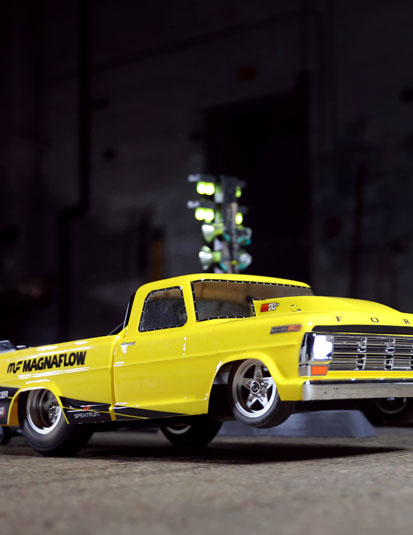
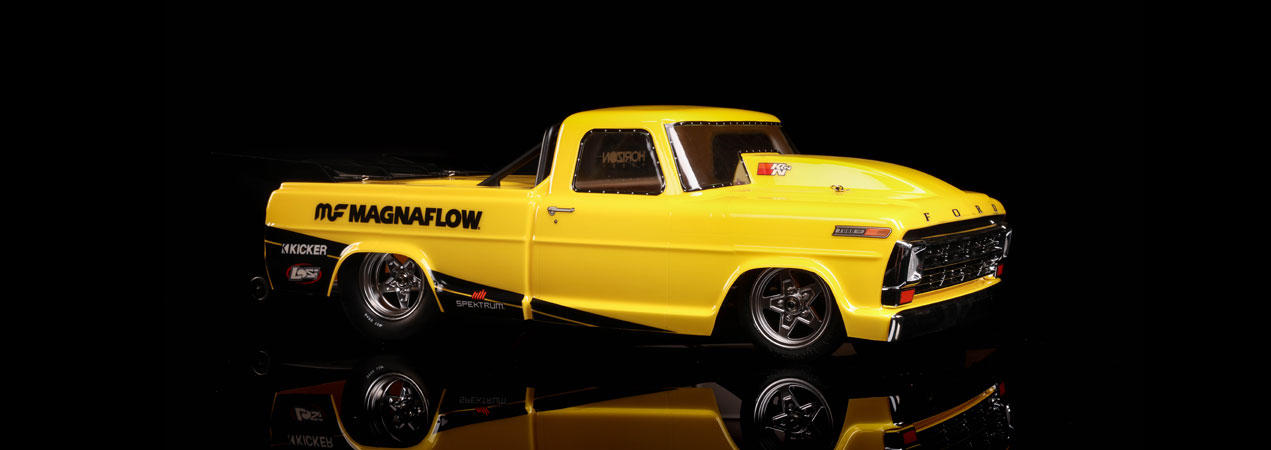
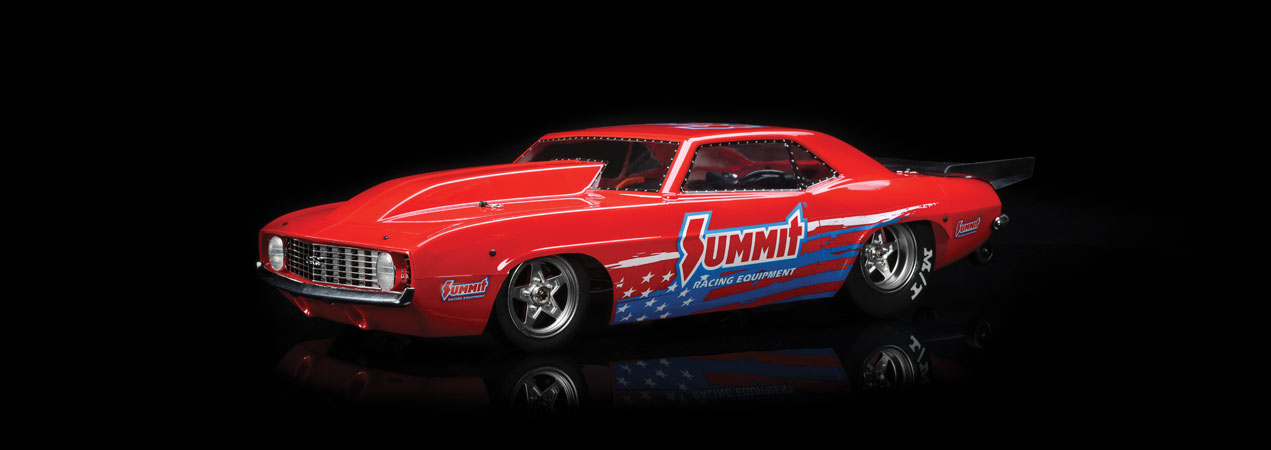
Getting started in No Prep RC Drag Racing? Shop our Ready-To-Run (RTR) and RC Drag Car kits and start your street racing hobby today!
Losi's drag cars are one of a kind. With multiple colors to choose from, you've to options for the whole crew.
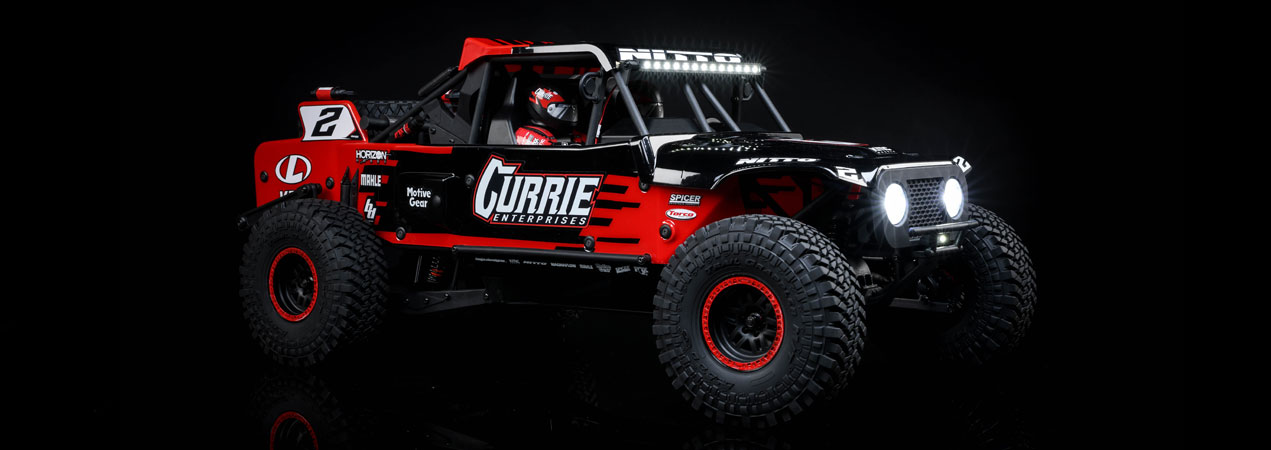




VIDEO HUB
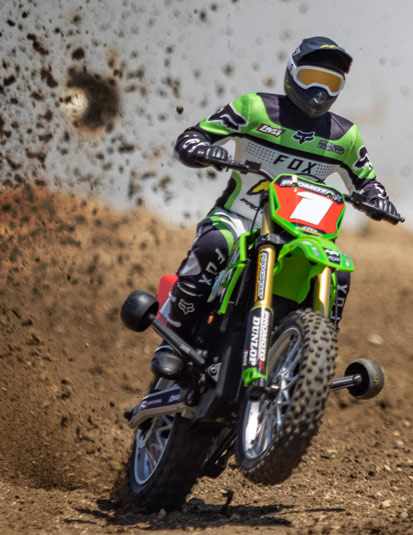
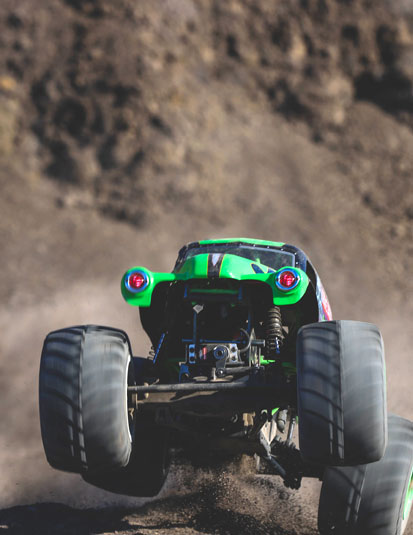
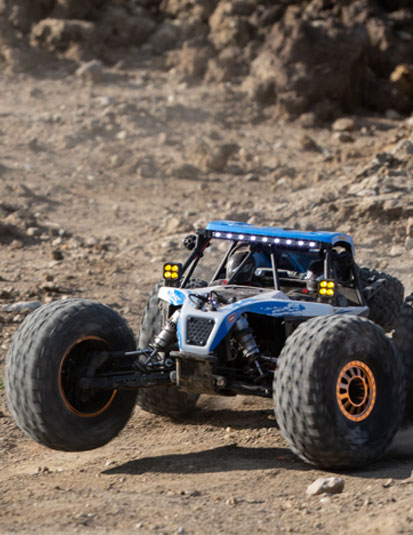
See it in action. Check out videos on new Losi products, tech tips, pro techniques, and more!
EXPLORE THE VEHICLE SIZE GUIDE
Our vehicles come in a range of sizes. Shopping by size depends on the RC lifestyle you’re going for. Use this tool to find the right fit for you.
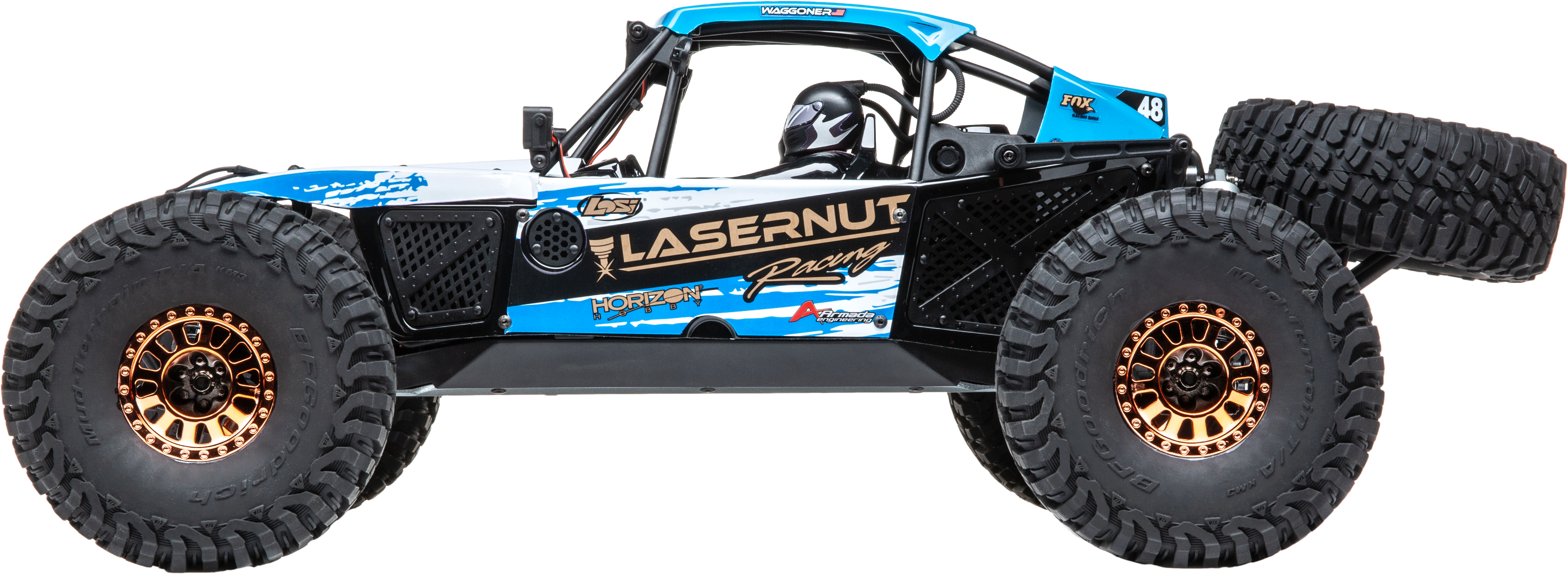
SHOP BY SIZE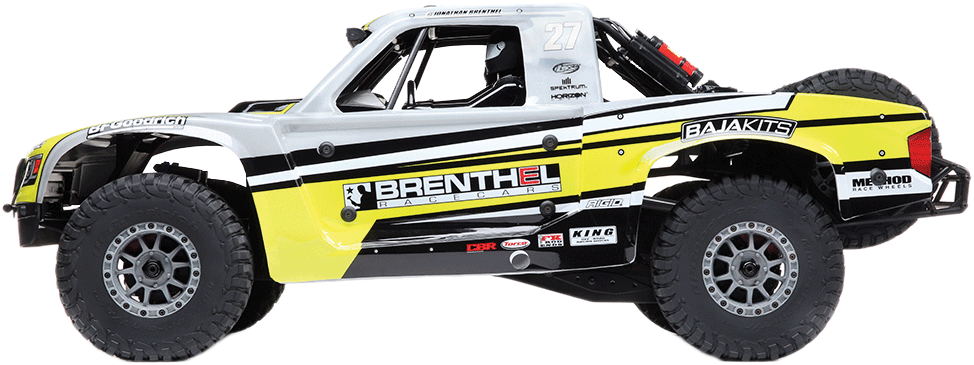
About Losi
Since 1980 the Losi brand has been focused on performance. In the early days of R/C, the standard hobby-grade R/C car was not meant for competition and could not survive the harsh landings and impacts found in racing. At its start, Losi sold option parts that helped R/C cars survive the abuse encountered on off-road racetracks. This led to a surge in R/C racing popularity, and it wasn’t long before Losi put its focus on developing its first R/C car, the JRX2. The rest is history.
Up to the early 2000s, the Losi brand was laser-focused on competitive R/C cars. One of the most iconic is the 8IGHT platform, which set the bar for the 1/8-scale racing industry. In 2010, the company kept its promise to its core consumer and created the TLR (Team Losi Racing) brand, which, to this day, is solely dedicated to R/C racing vehicles. In turn, Losi adopts the technology and materials from the TLR brand, puts an extra focus on drawing inspiration from full-scale racing, and brings it to your fingertips. Losi is where innovation and scale realism converge.
As racers ourselves, Losi recognizes what makes racers tick. It’s the adrenaline of going fast, hitting the perfect apex, the long hours of preparation, and the determination it takes to not quit on the track, in the pits, or at home in the garage when a vehicle or setup needs to be fixed or improved.
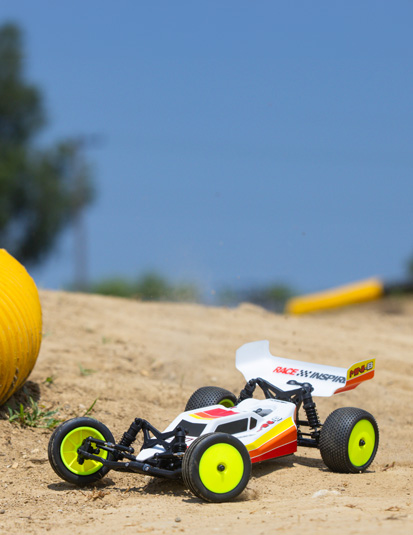
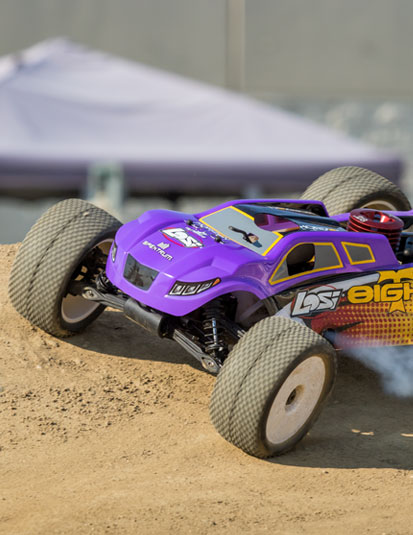
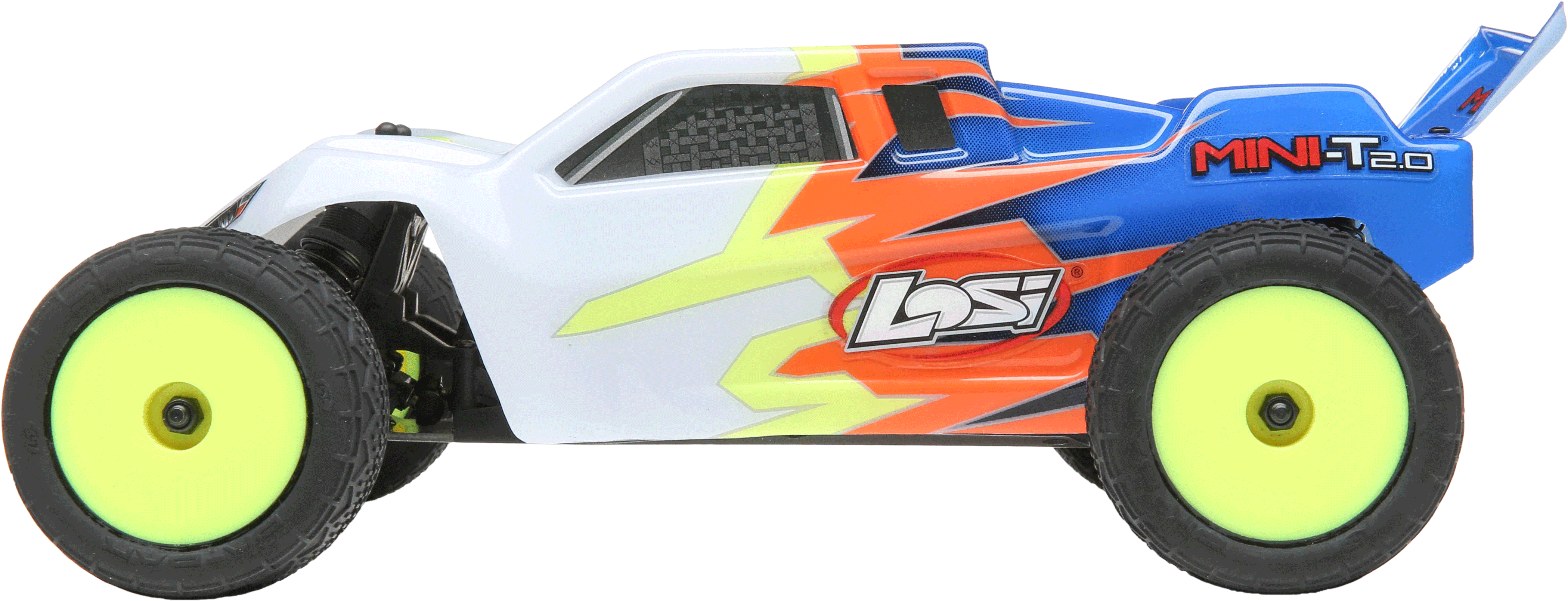
Every Losi product draws upon on a specific type of racing or performance-automotive activity. Our budget-friendly Mini-T and Mini-B race cars, based on our TLR race cars, are the best handling minis on the market. Your driveway is now your racetrack, where you and your friends can share the competitive spirit as you race around simple obstacles. For those who love the smell of burning fuel, the 5IVE-T has a 2-stroke engine with the powerband and sound that only a true gearhead can appreciate. Regardless of your favorite racing category, Losi has something for you.
Besides skill, racers know their equipment makes a significant difference and that being able to upgrade and tune their R/C car is necessary to finish first. Every Losi R/C car is fully tunable right out of the box. You can adjust suspension camber, caster, toe, compression, rebound, and more to dial-in your setup for specific terrain and track conditions. We also offer numerous performance upgrades for added durability or increased speed. From aluminum parts to different tires there are almost infinite ways to make your Losi race car outperform the competition.
To truly replicate the feeling of racing Losi is committed to partnering with the best full-scale companies in the world. With replica wheels, tires, shocks, bodies, and more, you can not only have the best handling R/C car on the track but one that looks just like your real race car or the one you wish you had.
In the future, the Losi brand will continue its commitment to adding even more full-scale racing categories to its lineup while incorporating the latest technology to help maximize your time doing what you love to do. Regardless of your specific racing passion, we look forward to you being a part of our team as the Losi brand and full-scale racing continue to grow.
